Aktuality

Metropolitní oblasti a aglomerace promluvily v Bruselu jedním hlasem: budoucí rozpočet EU musí garantovat konkrétní a předvídatelné investice pro udržitelný rozvoj měst

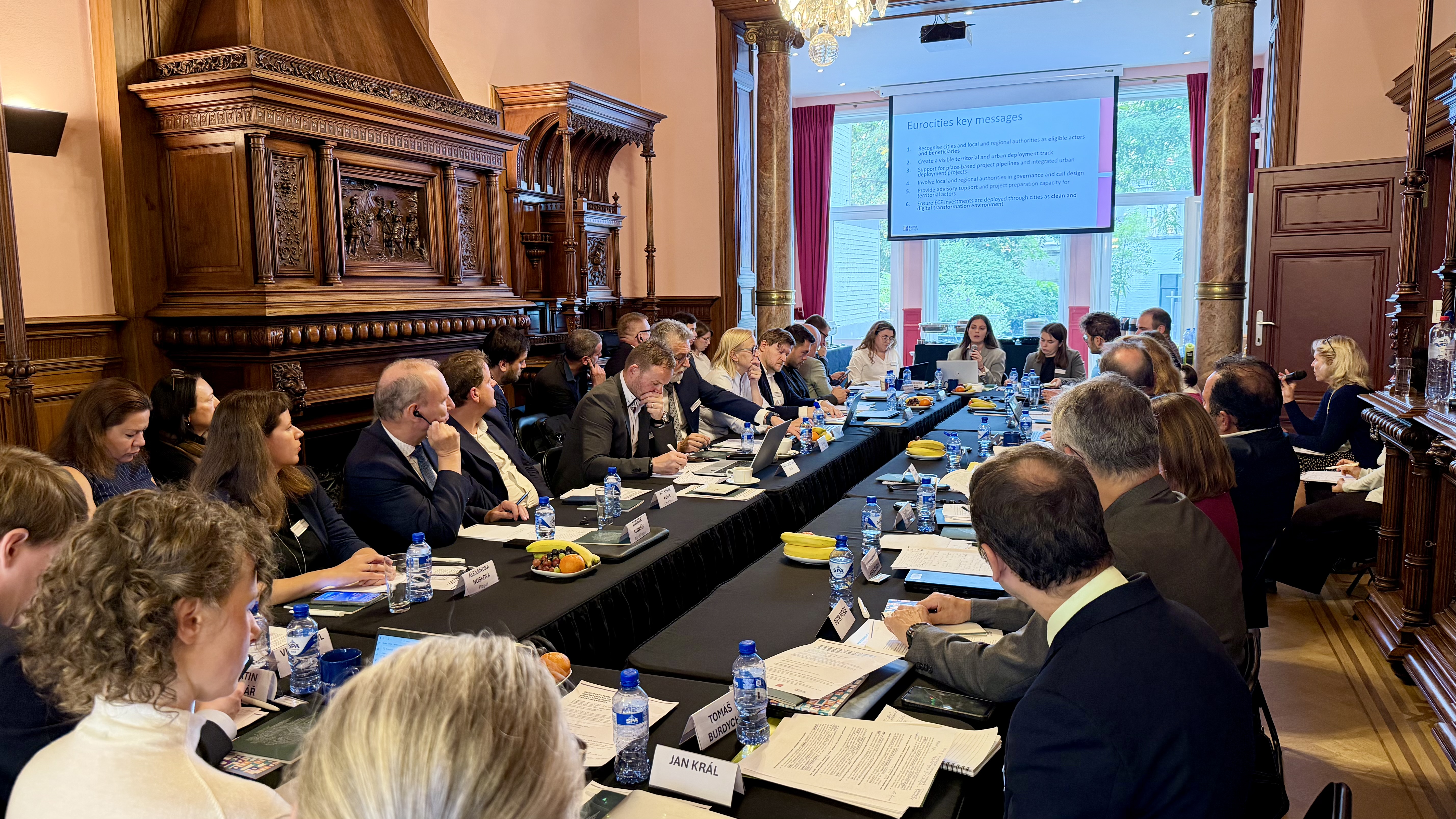
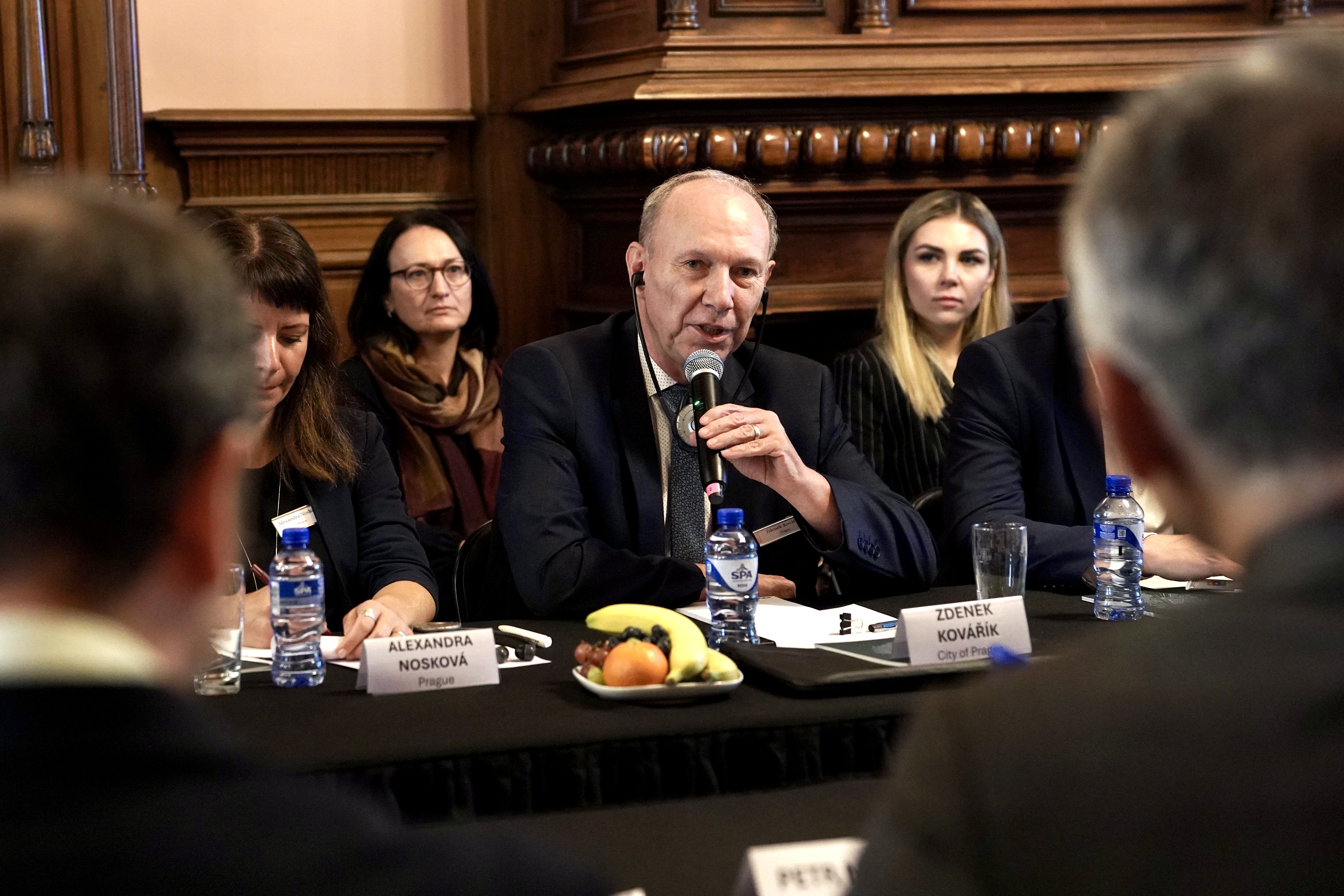
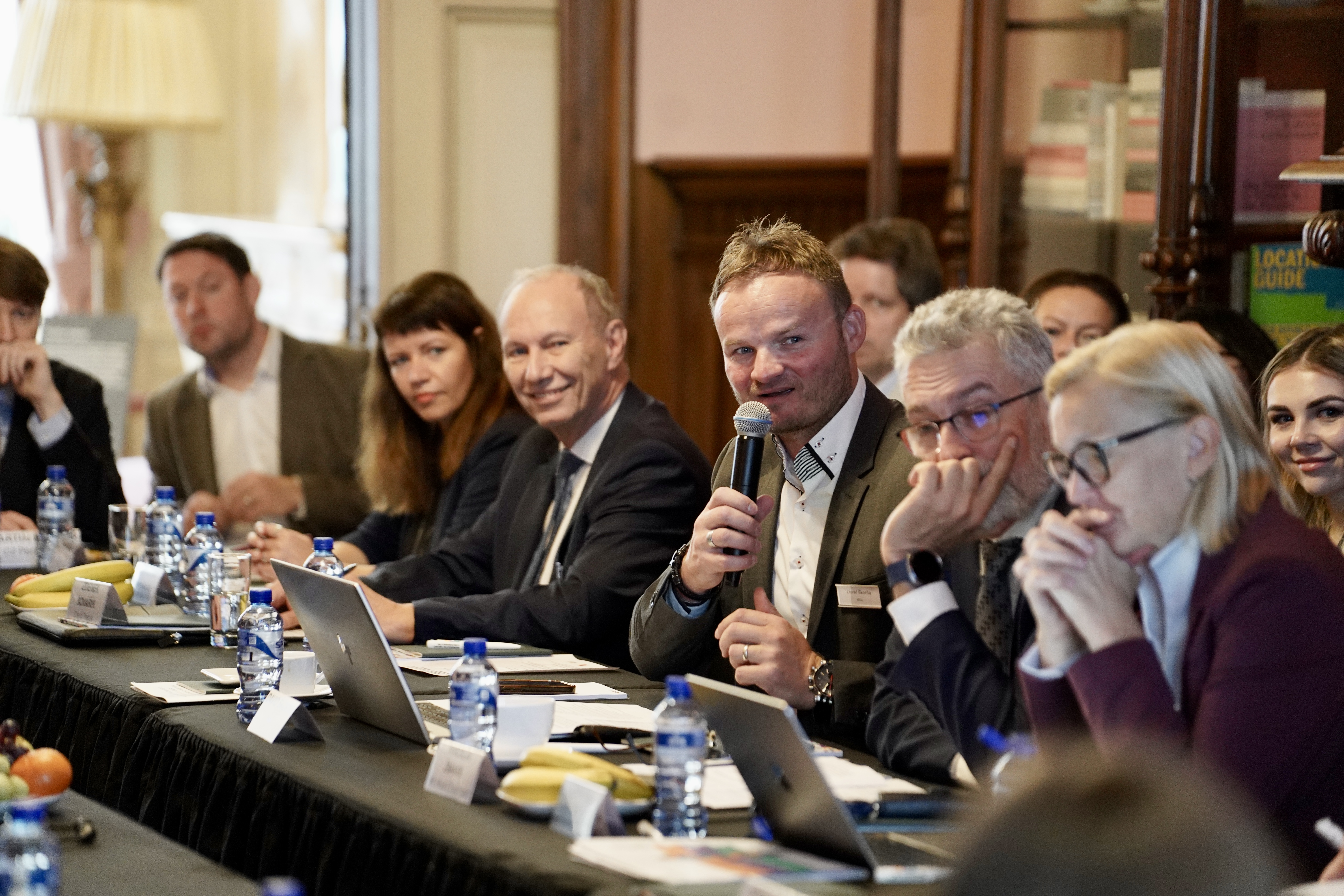
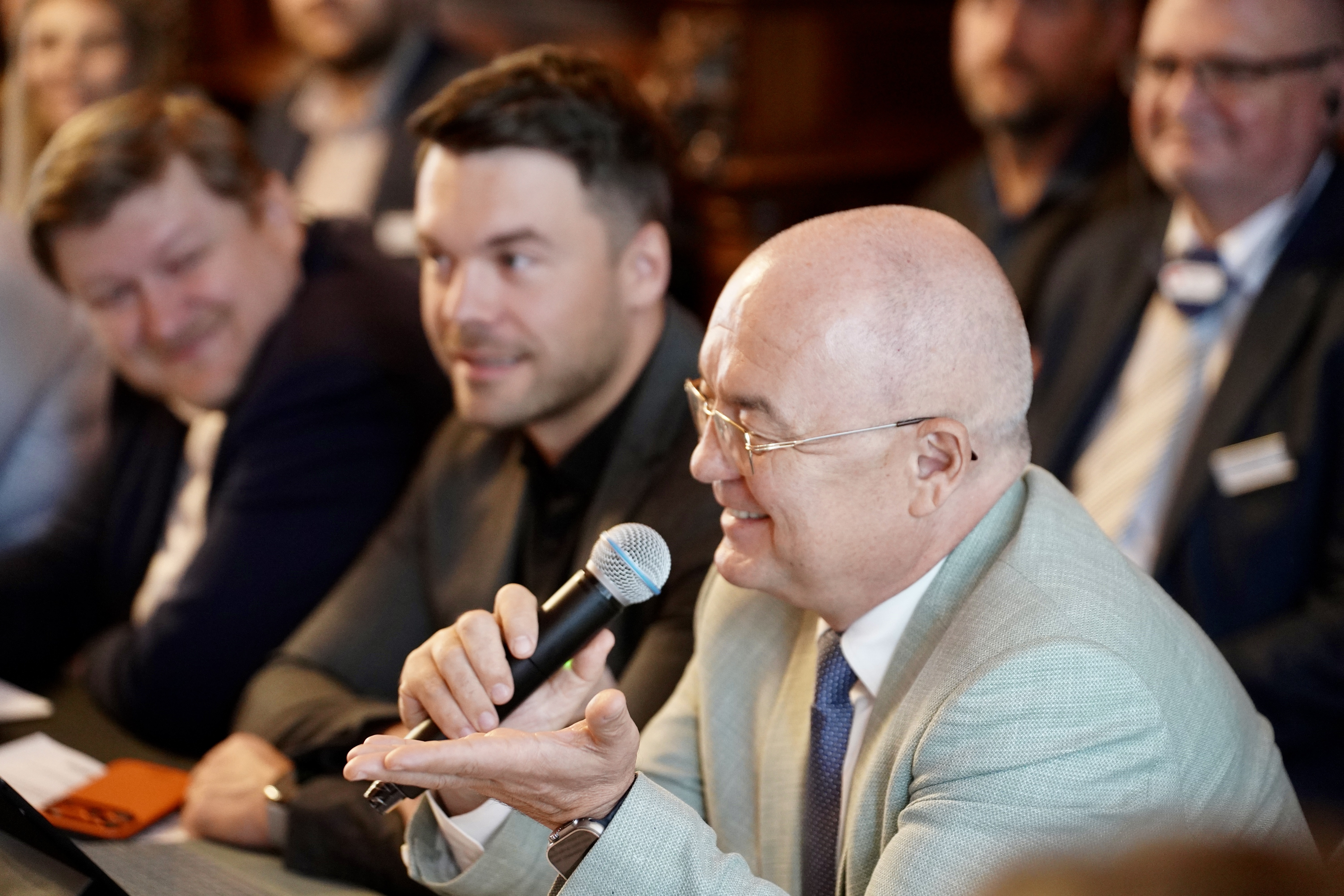
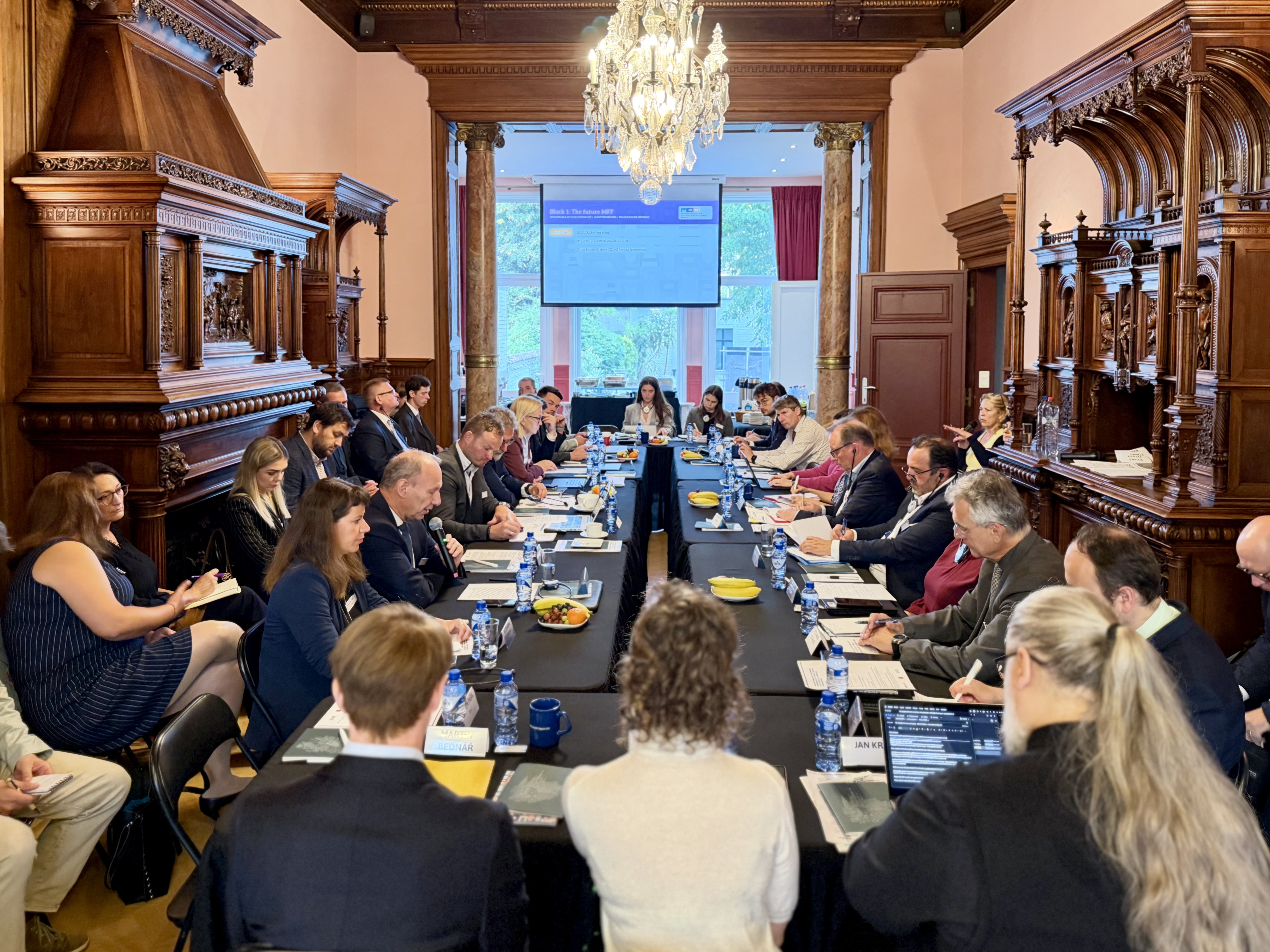
Pražský dům v Bruselu se stal místem setkání evropských metropolitních oblastí a aglomerací se zástupci Evropské komise, Evropského parlamentu, Evropského výboru regionů a dalších partnerů. Akci společně uspořádaly Svazek obcí Metropolitních oblastí a aglomerací ČR (MOA), Zastoupení hl. m. Prahy při EU a síť Eurocities. Hlavní poselství zaznělo jasně: města a jejich funkční území potřebují stabilní a předvídatelné financování. Shodují se, že je nutné garantovat alespoň 15 % prostředků politiky soudržnosti pro udržitelný rozvoj měst.

Metropolitní oblasti a aglomerace promluvily v Bruselu jedním hlasem: budoucí rozpočet EU musí garantovat konkrétní a předvídatelné investice pro udržitelný rozvoj měst

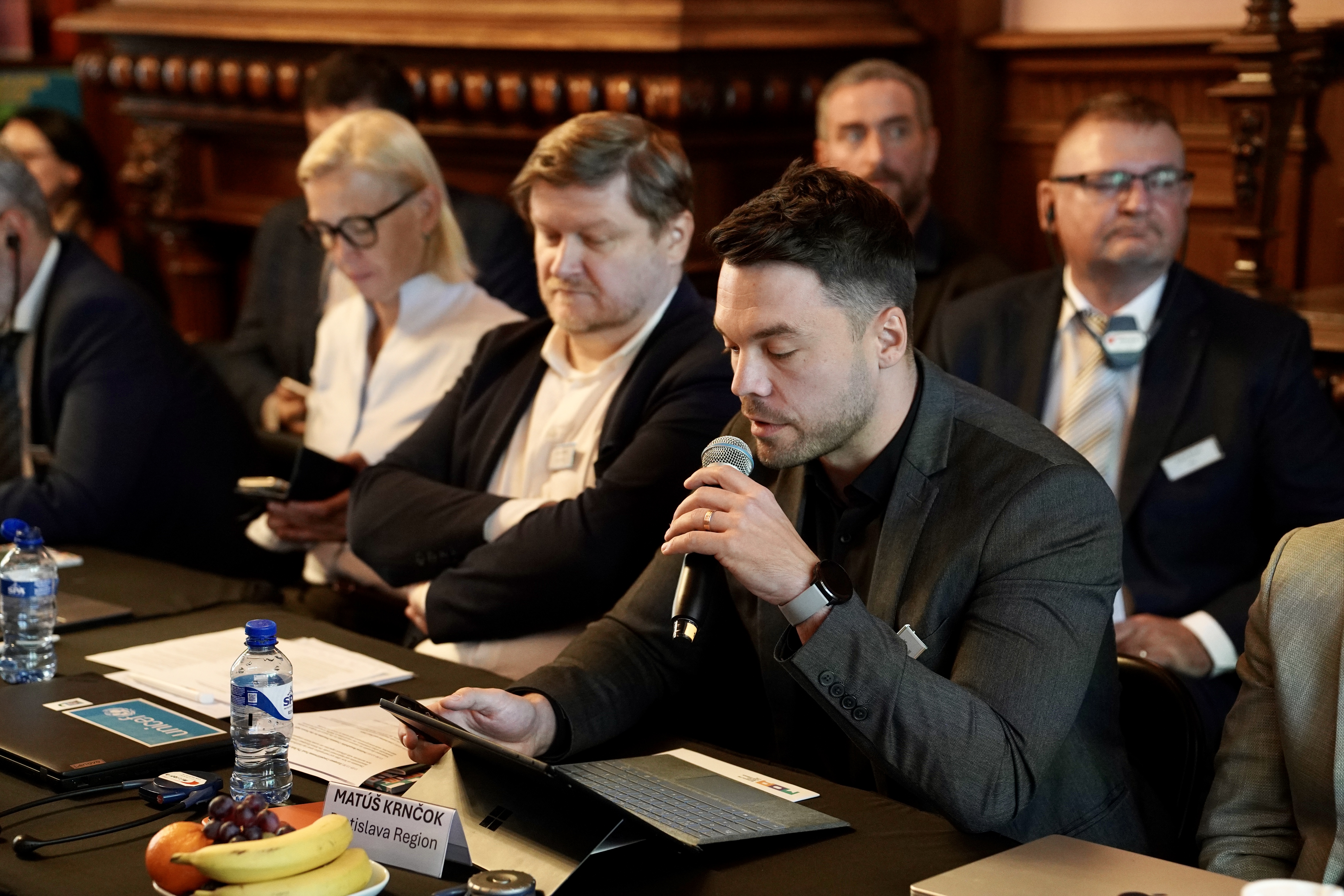
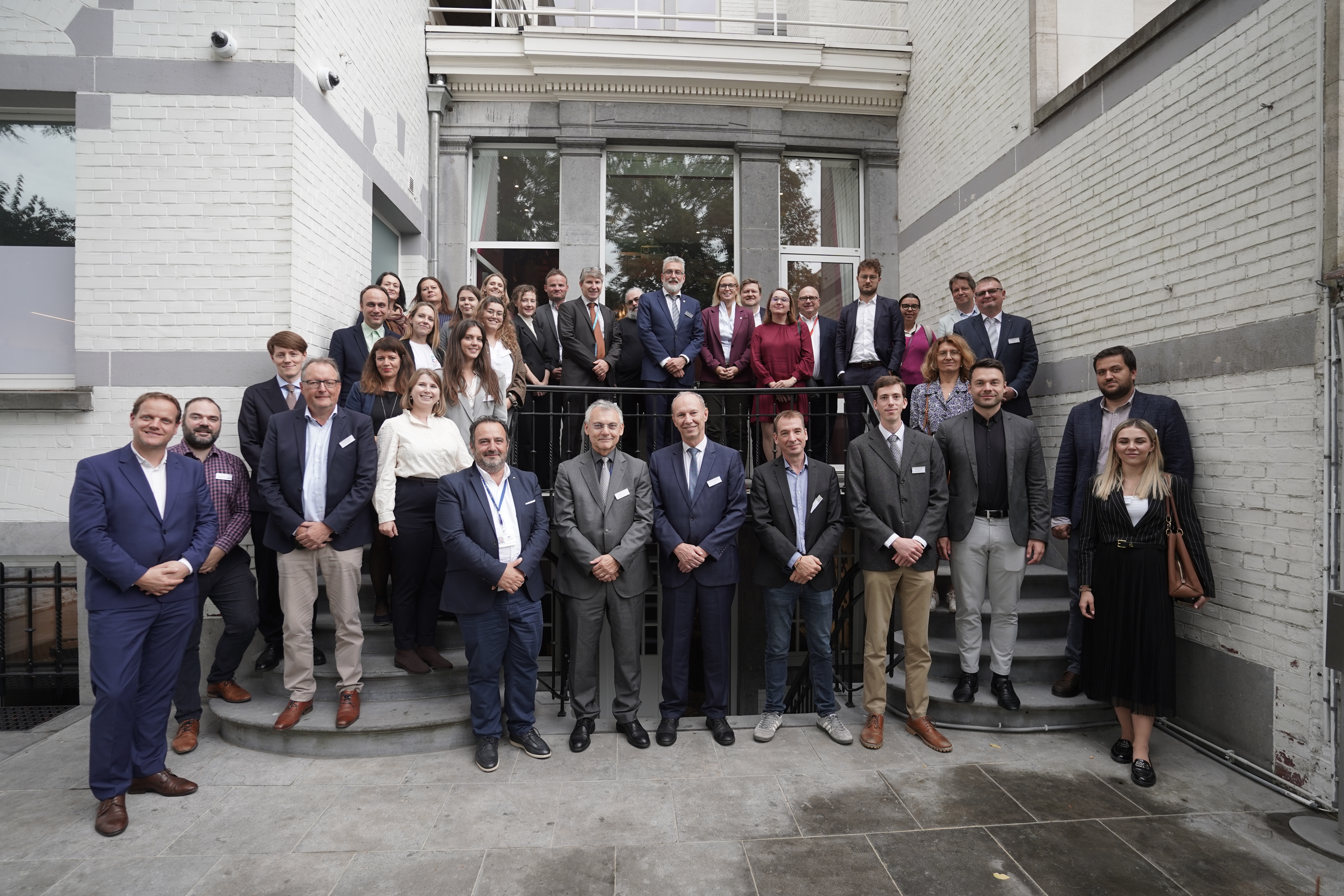
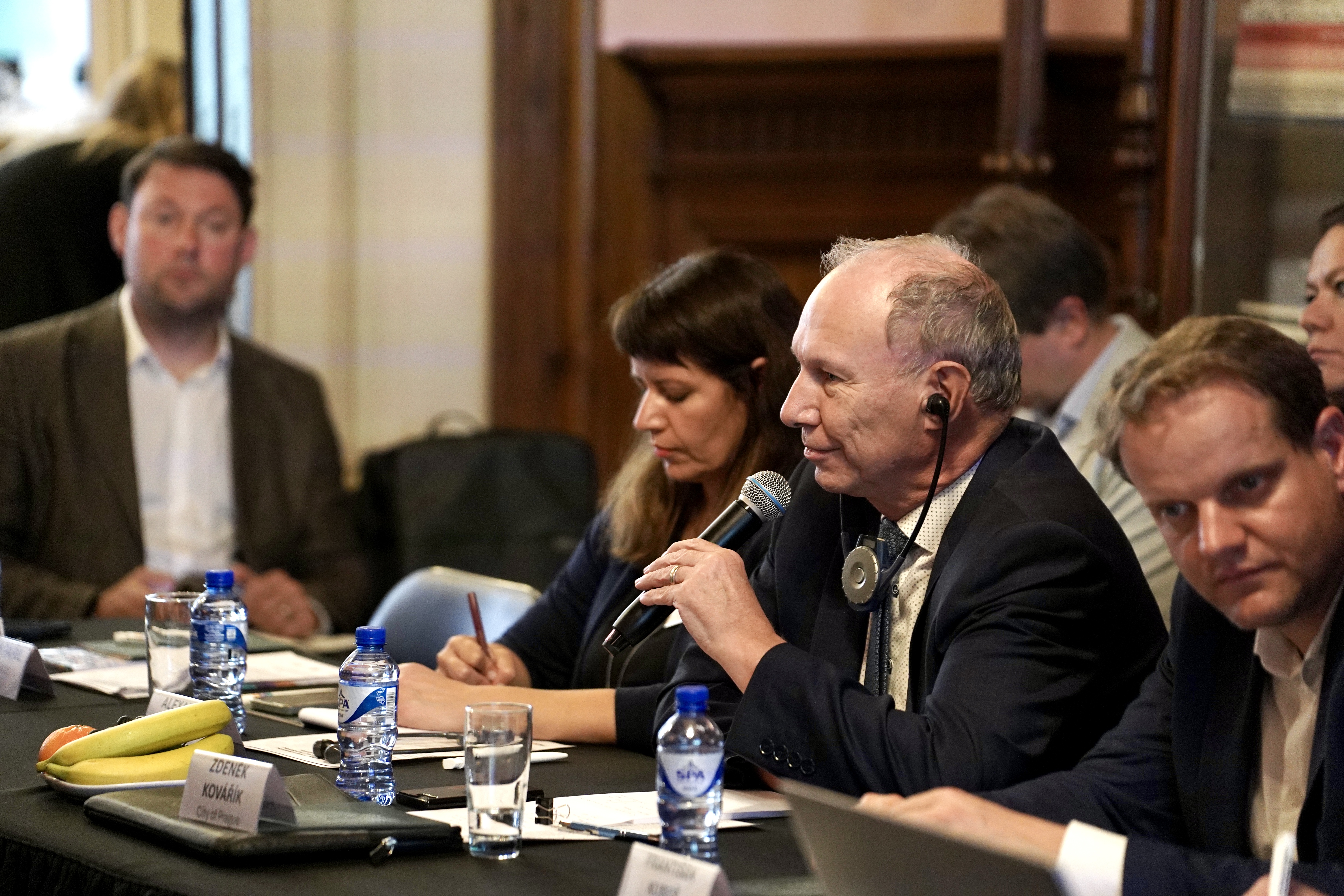
Kulatý stůl k městské dimenzi budoucího víceletého finančního rámce EU přivedl do jednoho sálu politiky, legislativce, stratégy a odborníky, kteří stojí v centru vyjednávání o rozpočtu EU na období 2028–2034. Vedle českých měst Prahy, Brna a Hradce Králové se diskuse účastnili zástupci Budapešti, Varšavy, Barcelony a Bratislavského samosprávného kraje, dále sítě ICLEI a Svazu německých měst. Evropskou komisi zastupovali odborníci z Generálního ředitelství pro rozpočet (DG BUDG), Generálního ředitelství pro regionální a městskou politiku (DG REGIO) a útvaru pro podporu reforem (SG REFORM). Zapojili se také zástupci Evropského výboru regionů a Evropského parlamentu. Pohled celkové pozice členských států přineslo Stálé zastoupení ČR při EU.

„Metropolitní oblasti a aglomerace dnes v Bruselu ukázaly, že umějí mluvit jedním hlasem. Nežádáme privilegia, žádáme předvídatelnost. Garance alespoň 15 % pro udržitelný rozvoj měst je pro nás jasnou hranicí, bez které nelze dlouhodobě plánovat investice, jež lidé ve městech i jejich okolí každodenně využívají. Za dvě programová období jsme díky nástroji integrovaných územních investic vybudovali fungující partnerství a bylo by chybou začínat znovu od nuly,“ uvedl Miroslav Žbánek, předseda Svazku obcí Metropolitních oblastí a aglomerací ČR.
Předvídatelnost jako podmínka dlouhodobých investic

Úvodní blok otevřel Petr Mooz z DG BUDG přehledem navrhované architektury budoucího rozpočtu a stavu vyjednávání. Zástupci českých měst poté vysvětlili, proč je předvídatelnost evropské podpory pro metropolitní investice klíčová.

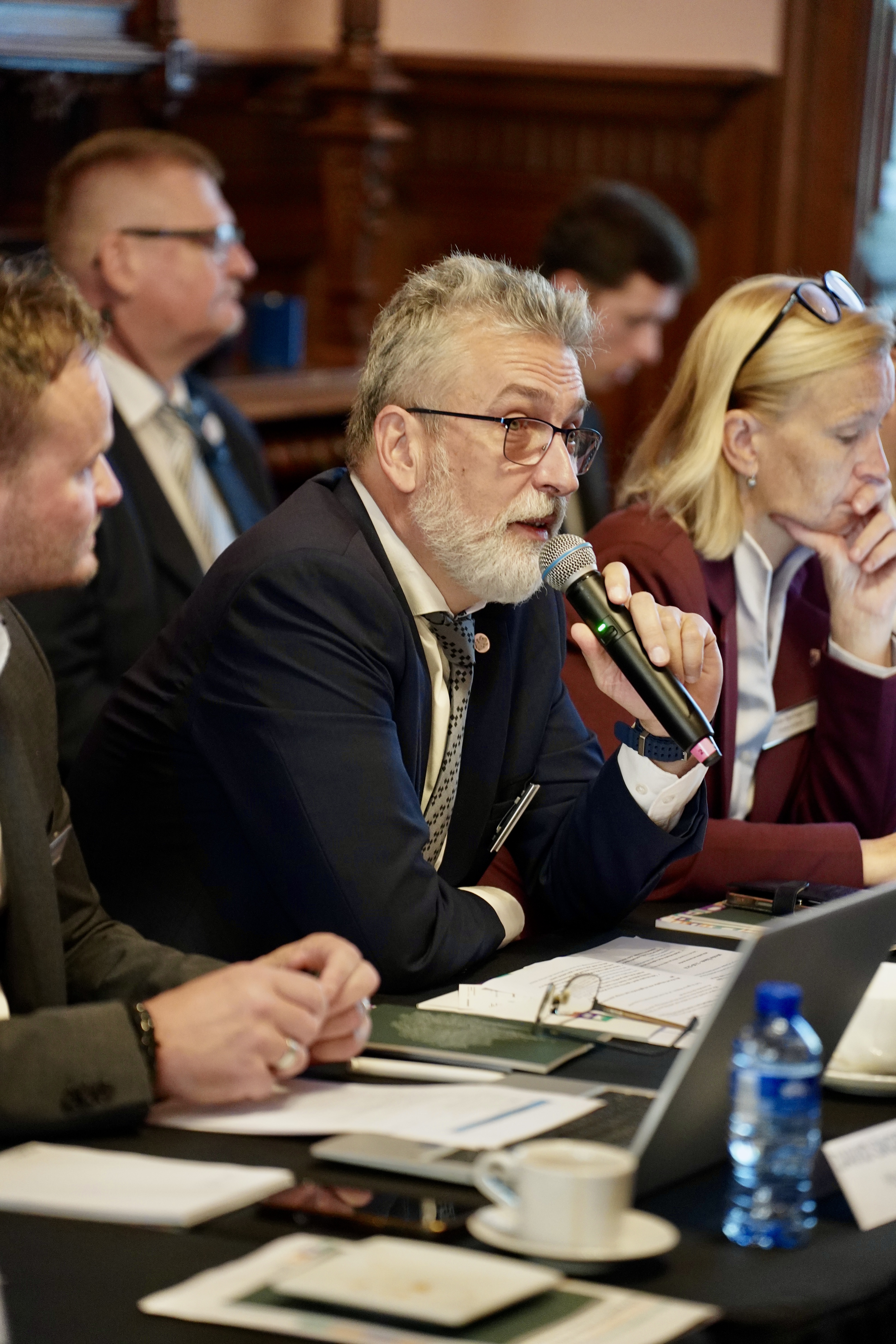
„Velké investice, ať už jde o dopravní infrastrukturu, energetiku, nebo odolnost vůči změně klimatu, se připravují roky a slouží nejen Praze, ale i celému jejímu okolí. Pokud se pravidla a alokace mění uprostřed cesty, nejvíc to odnesou lidé, kteří na tyto projekty čekají. Evropská podpora proto musí být především předvídatelná,“ řekl Zdeněk Kovařík, radní hlavního města Prahy a zároveň místopředseda Svazku obcí Metropolitních oblastí a aglomerací ČR.
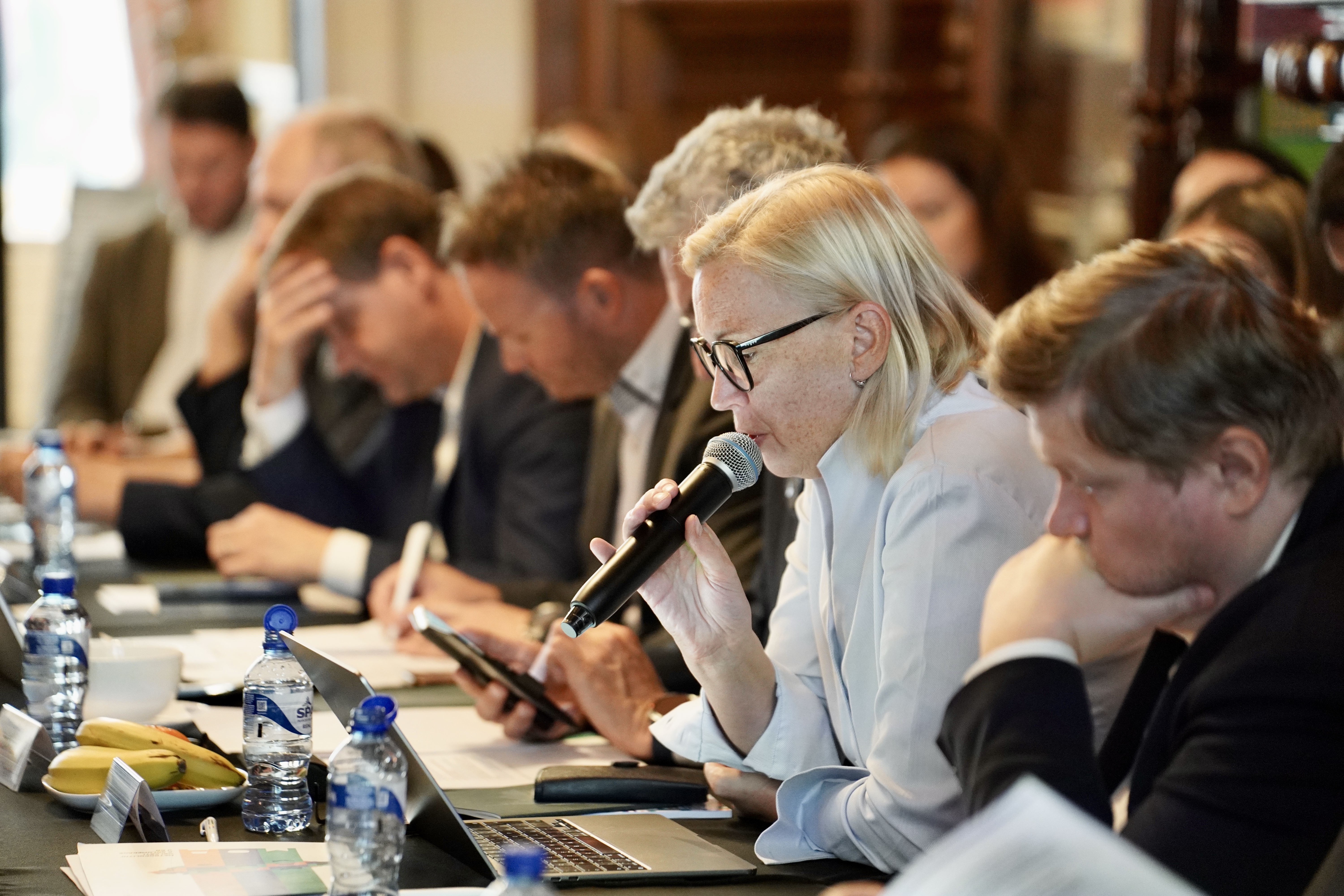
„Pro občany není evropský rozpočet abstraktní číslo. Jsou to inovativní projekty, zateplené školy, čistší doprava nebo dostupné sociální služby. Města jako Hradec Králové chtějí být motorem dekarbonizace a inovací, ale potřebují k tomu stabilní rámec a také technickou pomoc pro přípravu náročných projektů,“ uvedla Pavlína Springerová, primátorka statutárního města Hradec Králové a místopředsedkyně Svazku obcí Metropolitních oblastí a aglomerací ČR. 
Konkurenceschopnost a soudržnost nejsou v protikladu

Účastníci se shodli, že budoucí rozpočet EU musí propojit konkurenceschopnost s územní soudržností. Velká část evropské konkurenceschopnosti vzniká právě ve městech a jejich funkčních městských územích. Metropolitní oblasti a aglomerace přitom nepředstavují jen jádrová města, ale celý ekosystém zahrnující okolní obce, širší území, podniky i další partnery.

Diskuse otevřela i zásadní otázku směrem k evropským institucím: V předchozích programových obdobích byly prostředky na udržitelný rozvoj měst v legislativě samostatně vyčleněny. Proč tomu tak v současném návrhu není a jaké dopady může mít tato změna na možnosti měst plánovat a realizovat svůj dlouhodobý rozvoj?

Zástupci evropských metropolitních oblastí a aglomerací během kulatého stolu zformovali tyto požadavky:

  • jasnou a dostatečnou finanční alokaci pro udržitelný a integrovaný územní rozvoj, přičemž minimálně 15 % pro udržitelný rozvoj měst vnímají jako garantovanou hranici;

  • výslovné uznání funkčních městských oblastí, metropolitních oblastí a aglomerací v evropské legislativě;

  • prostor pro využití potenciálu funkčních městských oblastí a jejich roli a odpovědnost při programování, implementaci a výběru projektů;

  • pokračování a posilování nástroje integrovaných územních investic (ITI) a dalších místně zaměřených nástrojů, včetně silnější rozhodovací role nositelů integrovaných strategií;

  • nutnost zajištění partnerství, které znamená víc než pouhé konzultace, a silné víceúrovňové řízení v rámci Národních a regionálních partnerských plánů;

  • více cest k evropským investicím: vedle Národních a regionálních partnerských plánů také praktický přístup k přímo řízeným programům a k budoucímu Evropskému fondu pro konkurenceschopnost, včetně otevřených možností pro inovativní partnerství a konsorcia funkčních území a podniků;

  • spravedlivé rozdělení prostředků pro územní dimenzi jako základní pilíř politiky soudržnosti namísto centralizace, která přehlíží metropolitní oblasti a aglomerace.

Mnoho hlasů, jeden společný cíl

Na setkání vystoupila řada řečníků z mnoha institucí s různými prioritami a zájmy. Spojoval je však společný cíl: najít pro udržitelný rozvoj měst odpovídající místo v legislativě politiky soudržnosti a nastavit rovnováhu mezi flexibilitou a jednoduchostí regulace. Metropolitní oblasti a aglomerace tak v Bruselu vyslaly silný a jednotný signál, že jsou připraveny být aktivním partnerem evropských institucí při utváření budoucího rozpočtu.

Jako další krok organizátoři navrhli připravit krátké společné stanovisko pro evropské instituce a členské státy. Jeho základem je společné komuniké Silná městská a územní dimenze v rozpočtu EU 2028–2034, ke kterému se mohou připojit další města a organizace.

Pozice MOA

Metropolitan areas and agglomerations speak with one voice in Brussels: the future EU budget must guarantee sustainable urban development

Prague House in Brussels hosted a meeting of European metropolitan areas and agglomerations with representatives of the European Commission, the European Parliament, the European Committee of the Regions and other partners. The event was jointly organised by the Association of Metropolitan Areas and Agglomerations of the Czech Republic (MOA), and Eurocities. Its key message was clear: cities and their functional areas need stable and predictable funding. The participating organisations agreed that at least 15% of cohesion policy funding must be guaranteed for sustainable urban development.

Metropolitan areas and agglomerations speak with one voice in Brussels: the future EU budget must guarantee sustainable urban development

The Roundtable on the Urban Dimension in the Future EU Multiannual Financial Framework brought together politicians, legislators, strategists and experts at the centre of negotiations on the EU budget for 2028–2034. Alongside the Czech cities of Prague, Brno and Hradec Králové, the discussion included representatives of Budapest, Warsaw, Barcelona and the Bratislava Self-Governing Region, as well as ICLEI and the Association of German Cities. The European Commission was represented by experts from DG Budget (DG BUDG), DG Regional and Urban Policy (DG REGIO), and SG REFORM. Representatives of the European Committee of the Regions and the European Parliament also took part in the discussion. The Permanent Representation of Czechia to the EU brought the Member State perspective.

"Today in Brussels, metropolitan areas and agglomerations showed that they can speak with one voice. We are not asking for privileges; we are asking for predictability. A guarantee of at least 15% for sustainable urban development is a clear threshold for us, without which we cannot plan the long-term investments that people in cities and their surroundings use every day. Over two programming periods, we have built working partnerships through the Integrated Territorial Investments instrument, and it would be a mistake to start again from zero," said Miroslav Žbánek, Chair of the Association of Metropolitan Areas and Agglomerations of the Czech Republic.

Competitiveness and cohesion are not contradictory

Participants agreed that the future EU budget must connect competitiveness with territorial cohesion. Much of Europe's competitiveness is created in cities and their functional urban areas. Metropolitan areas and agglomerations are not only core cities, but an entire ecosystem including surrounding municipalities, the wider territory, businesses and other partners.

The discussion also raised a fundamental question for the EU institutions: In previous programming periods, funding for sustainable urban development was earmarked separately in the legislation. Why is this not the case in the current proposal, and what impact might this change have on cities’ ability to plan and implement their long-term development?

Predictability as a precondition for long-term investment

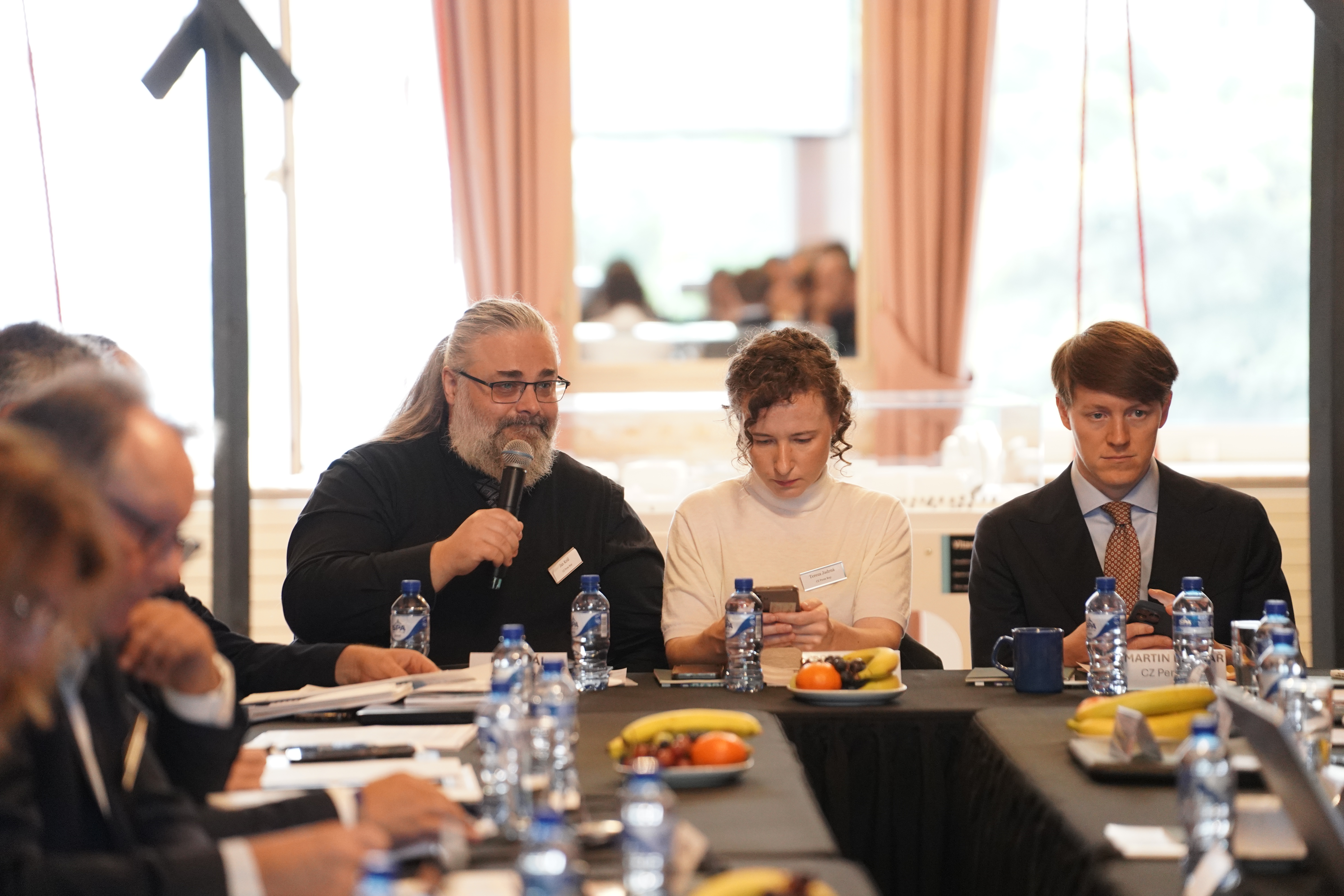
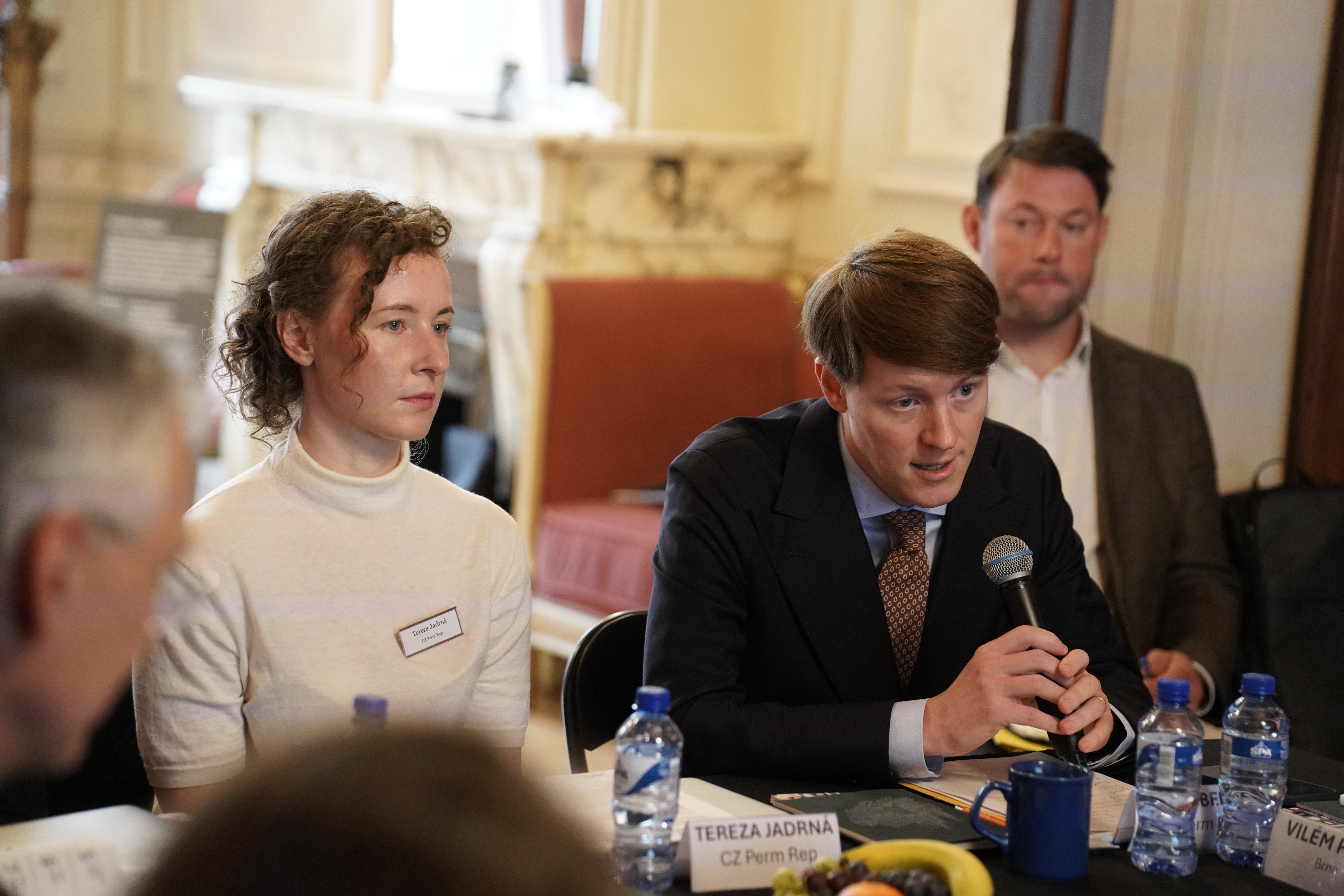
The opening session began with Petr Mooz of DG BUDG presenting the proposed architecture of the future budget and the state of negotiations. Representatives of Czech cities then explained why predictable EU support is essential for metropolitan investment.

"Major investments, whether in transport infrastructure, energy or climate resilience, take years to prepare and serve not only Prague but its entire surrounding area. When rules and allocations change midway, the people waiting for these projects pay the price. That is why EU support must above all be predictable," said Zdeněk Kovařík, Councillor of the City of Prague and Vice-Chair of the Association of Metropolitan Areas and Agglomerations of the Czech Republic.

"For citizens, the EU budget is not an abstract number. It means innovative projects, insulated schools, cleaner transport and accessible social services. Cities like Hradec Králové want to drive decarbonisation and innovation, but they need a stable framework and technical assistance to prepare demanding projects," said Pavlína Springerová, Mayor of the City of Hradec Králové and Vice-Chair of the Association of Metropolitan Areas and Agglomerations of the Czech Republic.

Representatives of European metropolitan areas and agglomerations formulated the following demands during the roundtable:

  • a clear and sufficient financial allocation for sustainable and integrated territorial development, with at least 15% for sustainable urban development as a guaranteed threshold;

  • explicit recognition of functional urban areas, metropolitan areas and agglomerations in European legislation;

  • scope to use the high potential of functional urban areas, and a defined role and accountability for them in programming, implementation and the selection of operations;

  • the continuation and strengthening of the Integrated Territorial Investments instrument (ITI) and other place-based instruments, with a stronger decision-making role for the holders of integrated strategies;

  • the need to ensure a partnership that means more than consultation, and strong multilevel governance within the National and Regional Partnership Plans;

  • more than one route to European investment: alongside the National and Regional Partnership Plans, practical access to directly managed programmes and the future European Competitiveness Fund, including open opportunities for innovative partnerships and consortia of functional urban areas and businesses;

  • a fair distribution of funding for the territorial dimension as a fundamental pillar of cohesion policy, rather than centralisation that overlooks metropolitan areas and agglomerations.

Many voices, one common goal

The event featured many speakers from many institutions, each with different priorities and interests. What united them was a common goal: finding the proper place for sustainable urban development in cohesion policy legislation and striking the right balance between flexibility and simplicity in regulation. Metropolitan areas and agglomerations sent a strong and united signal from Brussels that they stand ready to be active partners for the EU institutions in shaping the future budget.

As a next step, the organisers proposed preparing a short joint position for the EU institutions and Member States. It builds on the joint communiqué Strong Urban and Territorial Dimension in the EU Budget 2028–2034, which other cities and organisations are invited to endorse.

Position MOA

Fotogalerie (Gallery)